

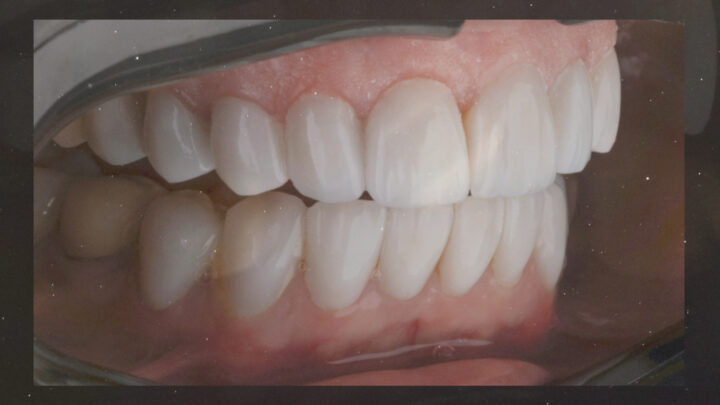
As space travel becomes a real possibility for longer missions, including journeys to Mars, scientists are looking more closely at how space conditions affect health. A new study in mice has found living in zero gravity can lead to periodontitis, a common and serious condition where the gums become inflamed and the bone that supports teeth starts to break down, eventually leading to tooth loss.
Scientists from the UAE confirm their findings in the study published in the journal of Periodontal Research, in which they try to understand how simulated microgravity–the near-weightless environment astronauts experience in space–might influence the development and severity of the gum disease.
The study, according to lead author Zahi Badran, University of Sharjah’s professor of periodontology, has “found that mice exposed to simulated microgravity showed much worse gum inflammation and bone loss compared to mice with induced periodontitis on the ground. They had higher levels of disease markers, more severe tissue damage, and more immune cells in the affected areas.”
As space travel becomes a real possibility for longer missions, including journeys to Mars, scientists are looking more closely at how space conditions affect human health. However, the authors maintain that one area that’s been less studied is oral health and diseases in microgravity, especially gum disease.
The authors see their study as a harbinger of “a new line of multidisciplinary research on oral health and disease in microgravity” that will shed more light on space medicine in general. They do also concede the limitations of their study, as its findings are based on a relatively small sample size. However, they emphasize its robustness due to the use of “the HLU model to simulate microgravity, which offers valuable insights into disease progression under space-like conditions.”